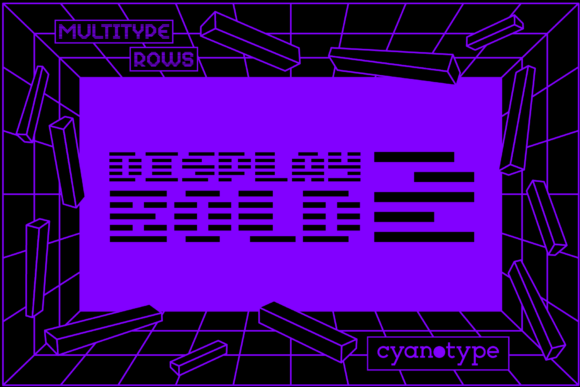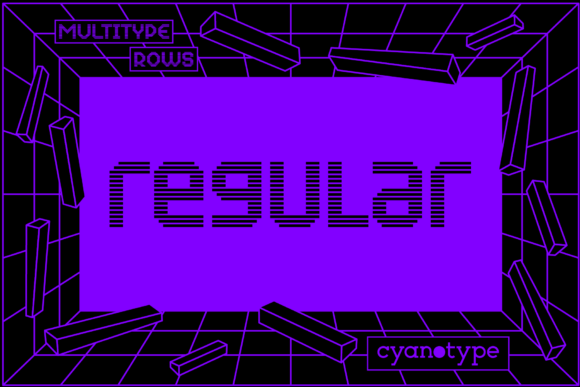
Unlocking the Pixelated Edge: A Deep Dive into MultiType Rows Regular
In an era where digital design often leans towards minimalism and clean sans-serif typography, there remains a vibrant niche for fonts that break the mold. MultiType Rows Regular stands out as a cool, uniquely shaped, pixelated display font that brings a distorted and trendy touch to any creative project. Whether you are a graphic designer looking to add retro flair or a content creator seeking a distinctive voice, understanding the capabilities of this typeface is essential for modern visual storytelling.
This article explores the unique characteristics of MultiType Rows Regular, how it functions technically, and why it has become a go-to choice for designers aiming to inject personality into their work. From its PUA encoding to its practical applications in branding and web design, we will cover everything you need to know about this unusual pixel font.
What Makes MultiType Rows Regular Unique?
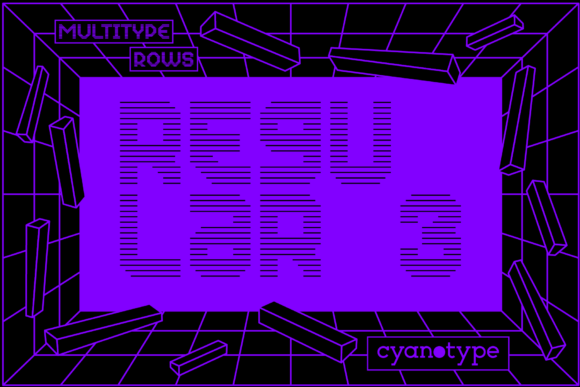
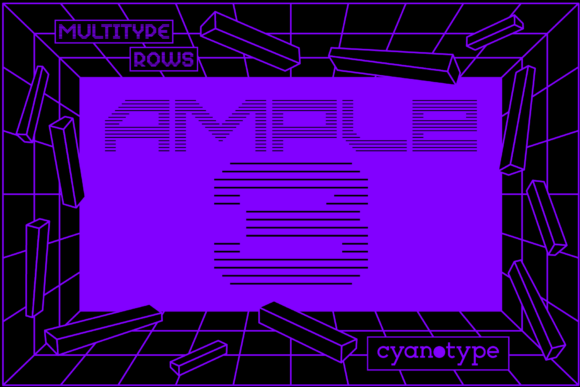
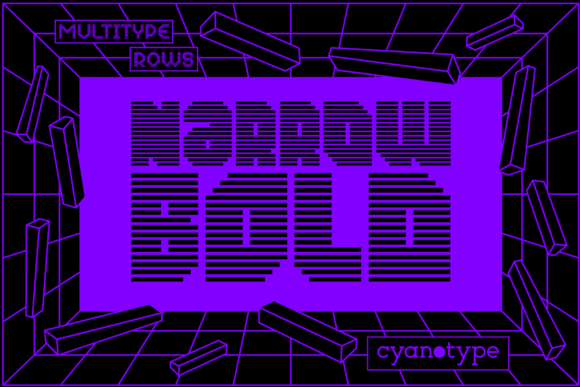
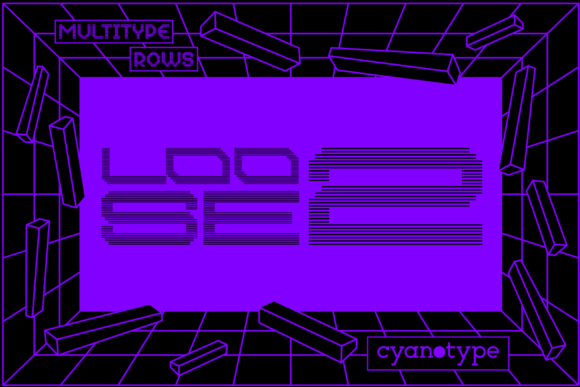
At first glance, MultiType Rows Regular might seem like just another retro-style font inspired by 8-bit video games from the 1980s. However, upon closer inspection, its structure reveals a level of sophistication that sets it apart from standard bitmap fonts. The term "pixelated" often implies a rigid, blocky grid, but MultiType Rows Regular introduces a sense of movement and distortion that feels organic yet digital.
The font's name hints at its versatility. It is not merely a static set of characters; it is a dynamic tool designed to create visual rhythm. The shapes are constructed with varying pixel densities, giving the letters a textured, almost glitch-art appearance. This makes it ideal for headlines, logos, and large display text where immediate visual impact is required. Unlike traditional serif or sans-serif fonts that prioritize readability above all else, MultiType Rows Regular prioritizes expression.
When you use this font, you aren't just selecting a typeface; you are setting a mood. It evokes nostalgia for the early days of computing while simultaneously feeling futuristic and edgy. This duality is what gives it its trendy appeal in contemporary design circles.
The Technical Advantage: PUA Encoding Explained
One of the most significant features of MultiType Rows Regular is its technical architecture. The font is PUA encoded. For those unfamiliar with typographic terminology, PUA stands for Private Use Area. In the context of Unicode, the PUA is a range of code points reserved specifically for private use, meaning they are not assigned to specific characters by the international standards body.
Why does this matter to you? When a font is PUA encoded, it allows the designer to pack a massive library of glyphs, swashes, alternate characters, and special symbols into a single file without conflicting with standard keyboard inputs. This means you can access all glyphs and swashes with ease, provided your software supports OpenType features or specific glyph panels.
- Enhanced Variety: Instead of being limited to A-Z and 0-9, you gain access to dozens of variations for each letter. Some may be wider, some taller, and others might feature decorative flourishes.
- Seamless Integration: Because these characters live in the Private Use Area, they do not interfere with standard text flow when used correctly. They act as specialized tools rather than obstacles.
- Design Flexibility: You can mix and match different styles of the same letter within a single word to create custom kerning effects or emphasize specific parts of a brand name.
This technical freedom transforms MultiType Rows Regular from a simple font into a comprehensive design system. It empowers creators to move beyond the limitations of standard keyboards and truly customize their typography.
Practical Applications in Modern Design
So, where does a distorted and trendy pixel font fit into the real world? While it might seem niche, MultiType Rows Regular has found a home in various sectors, proving its relevance in today's fast-paced digital landscape.
Gaming and Esports Branding
The gaming industry is perhaps the most natural habitat for pixelated fonts. However, instead of using generic 8-bit fonts that look dated, professional game studios and esports teams often seek something more refined. MultiType Rows Regular offers the grit and authenticity of retro gaming without sacrificing legibility or style. Its distorted nature mimics the visual glitches often associated with cyberpunk themes, making it perfect for tournament posters, stream overlays, and in-game HUD elements.
Social Media and Digital Marketing
In the crowded ecosystem of social media, catching the eye is half the battle. Standard fonts often blend into the background, but a bold, pixelated header can stop a user from scrolling. Brands targeting younger demographics (Gen Z and Millennials) frequently use this aesthetic to signal that they are "in the know" and culturally relevant.
Imagine a promotional banner for a music festival or a drop of limited-edition streetwear. Using MultiType Rows Regular for the main headline creates an instant association with underground culture and creativity. The font acts as a visual hook, drawing attention before the user even reads the message.
Web Design and User Interfaces
While body text should generally remain clean and readable, display areas on websites offer a playground for experimentation. MultiType Rows Regular is excellent for:
- Landing Page Headers: Creating a strong first impression.
- Call-to-Action Buttons: Adding a playful or tech-savvy vibe to buttons like "Sign Up" or "Download."
- Footer Accents: Adding a subtle nod to the site's theme without overwhelming the navigation.
However, caution is advised. Because the font is stylized and somewhat complex, it is not suitable for long paragraphs of text. Its strength lies in short, punchy phrases where every character counts.
Common Misunderstandings About Pixel Fonts
As with any specialized design element, there are misconceptions surrounding fonts like MultiType Rows Regular. Addressing these myths helps users utilize the font more effectively.
Misconception 1: It is only for children's projects.
Many assume pixelated fonts are strictly for educational materials or kid-friendly websites. While they certainly work well in those contexts, the distorted and trendy touch of MultiType Rows Regular elevates it to a mature aesthetic. It is used in high-end fashion campaigns, tech startups, and artistic portfolios. The key is in the execution—pairing it with sophisticated imagery and color palettes can make it look incredibly chic.
Misconception 2: PUA encoded fonts are hard to use.
There is a belief that because the characters are in the Private Use Area, they require complex coding or third-party plugins. While older software versions might have struggled with PUA fonts, modern design suites like Adobe Illustrator, Photoshop, and Figma handle them seamlessly. Most of the time, simply typing a character and then opening the Glyphs panel reveals the full array of swashes and alternates available.
How to Get the Most Out of MultiType Rows Regular
To truly leverage the power of this font, consider the following best practices:
Pairing is Key
Because MultiType Rows Regular is so visually heavy, it needs a partner that plays the role of the supporting actor. Pair it with a clean, geometric sans-serif for body copy. This contrast ensures that while your headline grabs attention, your message remains easy to read. For example, use MultiType Rows Regular for the title and a simple Helvetica or Inter for the description.
Play with Scale
Pixel fonts lose their charm when scaled down too small. To maintain the integrity of the unique shapes and the crispness of the pixels, use this font at large sizes. Let the individual pixels breathe. If you must use it smaller, ensure the resolution is high enough to prevent blurring, which can ruin the intended aesthetic.
Embrace the Distortion
Don't try to force the font to look perfectly straight or aligned if it naturally leans or shifts. Part of the "cool, uniquely shaped" nature of MultiType Rows Regular is its slight irregularity. Use this to your advantage by creating layouts that feel dynamic and slightly chaotic, mirroring the energy of the digital age.
Conclusion: A Tool for Creative Expression
In conclusion, MultiType Rows Regular is more than just a novelty typeface; it is a versatile instrument for designers who want to push boundaries. Its combination of a cool, pixelated aesthetic and the robust functionality of PUA encoding makes it a standout choice for anyone looking to add a distorted and trendy touch to their designs.
Whether you are crafting a logo for a new tech startup, designing a poster for an indie band, or simply wanting to spice up a personal blog, this font offers a pathway to distinct visual communication. By understanding its technical strengths and applying it with thoughtful context, you can create work that resonates with audiences on both a nostalgic and a modern level.
As the digital landscape continues to evolve, the demand for unique, expressive typography will only grow. MultiType Rows Regular represents the intersection of past and future, offering a timeless yet contemporary solution for creative challenges. Embrace its quirks, explore its glyphs, and let your designs stand out in a sea of sameness.