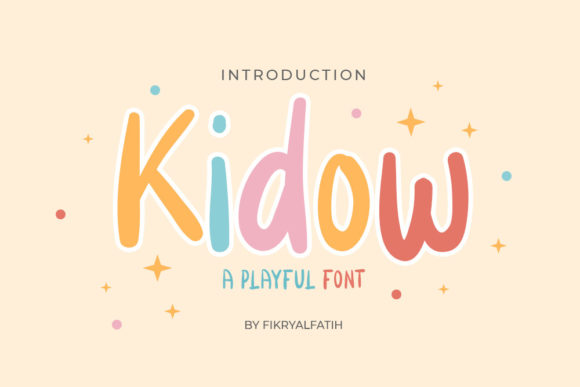
Kidow: The Friendly Display Font That Transforms Everyday Design
There is a specific kind of magic that happens when a design stops trying to be serious and starts being human. In a digital landscape often dominated by sterile, rigid typefaces, Kidow stands out as a breath of fresh air. It is not just another font file to download; it is a tool for connection. As a childish, easy-to-read display font, Kidow conveys impeccable friendliness without sacrificing legibility or style. Whether you are crafting a physical birthday card, designing a slide deck for a pitch meeting, or running a small business blog, this typeface has the potential to become your favorite go-to resource.
The true value of Kidow lies in its versatility. While it carries a playful personality, it does not feel out of place in professional settings where warmth is required. It bridges the gap between formal communication and personal expression, making complex ideas feel approachable. When you choose Kidow, you are signaling to your audience that you care about their experience, inviting them into a space that feels safe, welcoming, and genuinely engaging.
Why Kidow Works in Real-World Scenarios
Designers often struggle with finding fonts that balance fun and function. Too many "fun" fonts sacrifice readability, while too many "professional" fonts feel cold and distant. Kidow solves this dilemma by maintaining high clarity even at larger sizes while retaining that distinctively cute character. This balance makes it incredibly practical for a wide range of users who need to communicate effectively without sounding robotic.
For entrepreneurs and small business owners, the tone of voice is everything. A bakery using Kidow for its menu board instantly feels more like a neighborhood spot than a corporate chain. A freelance graphic designer using it for a client's branding package can soften the edges of a logo, making the brand feel more accessible to families and children. The font acts as a visual handshake, setting a positive expectation before the customer even reads the content.
Educators and teachers find similar benefits. When creating worksheets, classroom posters, or presentation slides for young students, Kidow helps reduce anxiety around learning materials. It signals that mistakes are okay and that the environment is supportive. Parents and homeschoolers also appreciate its readability when printing out activity sheets or storybooks, ensuring that the text is easy for developing eyes to follow.
Crafting Personal Projects with Heart
One of the most natural places to see Kidow shine is in the realm of crafts and DIY projects. If you have ever tried to make a handmade gift, you know that the font choice can make or break the sentiment. Using a generic sans-serif on a scrapbook page might look clean, but it lacks soul. Kidow adds that personal touch that says, "I made this specifically for you."
- Greeting Cards: Whether it is a birthday, anniversary, or thank-you note, Kidow allows you to write messages that feel handwritten yet perfectly legible. It captures the joy of the occasion without looking messy.
- Party Decorations: From custom banners to cupcake toppers, this font brings an instant party atmosphere. It works beautifully for themed events, from baby showers to summer birthdays, adding a cohesive visual theme that feels curated rather than copied.
- Scrapbooking and Journals: For hobbyists who document their lives, Kidow serves as a perfect journaling companion. It pairs well with photos and stickers, allowing for creative layouts that remain readable over time.
Digital Applications for Modern Creators
In the digital sphere, attention spans are short, and engagement is key. Bloggers, content creators, and social media managers constantly search for ways to stand out in crowded feeds. Kidow offers a unique opportunity to break the monotony of standard web typography. When used strategically for headlines, pull quotes, or call-to-action buttons, it draws the eye and encourages interaction.
Presentation designers often face the challenge of keeping an audience engaged during long meetings. Slides filled with dense text and boring fonts lead to disengagement. By incorporating Kidow into title slides or section headers, presenters can inject energy and personality into their storytelling. It helps humanize data-heavy topics, making the information more digestible for stakeholders who might otherwise tune out.
Publishers and self-publishing authors also benefit from this typeface. Book covers, especially for children's literature, middle-grade novels, or lighthearted non-fiction, require a font that promises a specific reading experience. Kidow communicates that the content inside will be entertaining and easy to navigate. It sets the right expectations for readers looking for a fun escape or an educational tool that doesn't feel like homework.
Strategic Considerations Before You Use Kidow
While Kidow is a powerful tool, successful application requires thoughtful planning. It is important to remember that display fonts are best used for impact, not for body text. Using Kidow for long paragraphs of copy can lead to reader fatigue because the playful nature of the letters becomes distracting after extended reading. Instead, reserve it for titles, headings, captions, and short phrases where you want to emphasize emotion or importance.
Another consideration is context. While Kidow is friendly, it may not be appropriate for every situation. A law firm website or a financial report might find the font too informal for its core messaging. However, even in these sectors, there are moments where a touch of humanity is needed—perhaps in a "Meet the Team" section or a community outreach post. Knowing when to deploy Kidow is just as important as knowing how to use it.
When downloading or purchasing Kidow, ensure you get the correct license for your intended use. Many fonts have different terms for personal projects versus commercial ventures. If you plan to use the font on merchandise for sale, such as t-shirts, mugs, or branded packaging, verify that your license covers commercial distribution. This protects you legally and ensures you are supporting the type designer fairly.
Connecting Features to Outcomes
The ultimate goal of any design tool is to achieve a specific outcome. With Kidow, the outcome is almost always increased engagement and emotional connection. When a user sees a headline in Kidow, they subconsciously register that the content is meant to be enjoyable. This psychological shift can lead to higher click-through rates, longer time spent on a page, and better retention of information.
For marketers, this translates to better conversion rates. A landing page that uses Kidow for its main offer headline often feels less salesy and more helpful. It invites the user to explore further rather than feeling pressured to buy. Similarly, for freelancers and creatives, using Kidow in proposals can differentiate their work from competitors who rely on standard corporate fonts. It shows attention to detail and a willingness to think outside the box.
Even everyday users benefit from this accessibility. Creating a simple family newsletter, a school event flyer, or a personalized invitation becomes effortless when you have a font that handles the heavy lifting of tone. You do not need to be a professional graphic designer to make something look great; Kidow provides the structure and charm needed to elevate basic designs into something memorable.
Ultimately, Kidow is more than just a set of characters on a screen. It is a bridge between the creator and the viewer. It says, "I am here, I am happy to share this with you, and I hope you enjoy it." Whether you are building a brand, teaching a class, or celebrating a milestone, this font offers the perfect blend of playfulness and professionalism to help your message land exactly where it needs to.